
Which Shopify apps actually matter for high-volume stores?
PUBLICO helps brands choose and implement the right Shopify stack. Pricing and features below were checked against public listings in late 2026 and can change.

The short answer
High-volume stores usually need a small, focused stack: Klaviyo for email and SMS, a strong reviews app (Judge.me or Yotpo), Recharge if you sell subscriptions, Gorgias for support, and Triple Whale or a similar tool for attribution. AI tools are now strong additions or partial replacements in support, personalization, content, and store operations, but they work best on top of the core stack rather than instead of it.

Contents
Most stores install too many apps. High-volume stores do the opposite. They run a short list of tools that handle volume cleanly and connect to each other without constant manual work. AI is reducing the need for some specialized apps, but it has not replaced the core measurement and communication layer.
Why do most high-volume stores end up with the same core apps?
Once order volume rises, three problems appear at the same time: customer communication gets harder, support tickets increase, and it becomes difficult to see which marketing actually drives profit.
The apps that solve these problems well tend to be the same ones used by growing brands worldwide. They have deep Shopify integrations, handle high data volume, and work consistently across markets.
What this means for your decision: Start with the apps that solve communication, reviews, and measurement. Add others only when a clear operational bottleneck appears.
Which apps actually move revenue at scale?
These are the ones that consistently show up on high-volume stores:
- Klaviyo - Email and SMS. Deepest Shopify data integration. Handles large lists and complex flows without breaking. (Klaviyo)
- Judge.me - Reviews. Most installed reviews app. Strong free tier and works well at volume. (Judge.me)
- Yotpo - Reviews, loyalty and UGC in one platform. Preferred by larger brands that want fewer vendors. (Yotpo)
- Triple Whale - Attribution and performance dashboards. Useful when you spend across Meta, Google and other channels and need a clearer picture than platform reports alone. (Triple Whale)
- Rebuy or similar upsell tools - Post-purchase and cart offers that lift average order value without extra traffic. (Rebuy)
These apps are widely used by brands operating across different markets. They do not depend on local language or payment specifics.
What about subscriptions, returns and support?
- Recharge remains the most common choice for subscription products at scale. It handles billing, customer portals and retention tools. (Recharge)
- Loop (or similar) for returns and exchanges. High-volume stores lose money and time on manual returns if this is not automated. (Loop)
- Gorgias for support. It pulls Shopify order data into the ticket so agents can resolve issues faster. Critical once ticket volume grows. (Gorgias)
What this means for your decision: If you sell consumables or have high return rates, treat these as core, not optional.
Which AI tools are gaining traction and delivering results?
AI is strongest right now in support, personalization, content, and store operations. These tools are not full replacements for the core stack, but they reduce manual work and improve speed at volume:
- Shopify Sidekick + Magic - Built-in free AI for product descriptions, admin tasks, content, and basic automations. Many stores start here before adding paid tools. (Shopify Sidekick)
- Gorgias AI Agent - Resolves a high percentage of support tickets with full order context. Brands report meaningful ticket deflection without losing quality. (Gorgias AI)
- Klaviyo AI (Composer and related features) - Generates campaigns, segments, and content from a prompt. Strongest when you already use Klaviyo. (Klaviyo)
- Rebuy - AI-powered recommendations, upsells and personalization that scale with order volume. (Rebuy)
- Judge.me AI features - Review summaries, reply suggestions and translations that help manage high review volume. (Judge.me)
- Octane AI - Quiz-based product discovery that captures zero-party data and improves conversion on larger catalogs. (Octane AI)
What this means for your decision: Use native Shopify AI first. Add specialized AI agents only where ticket volume, personalization, or content creation is creating a clear bottleneck.
How many apps do you really need?
Most high-volume stores run well with 6-9 apps. More than that usually creates maintenance overhead, slower pages and conflicting data.
A practical core stack looks like this:
- Klaviyo
- Reviews app (Judge.me or Yotpo)
- Support (Gorgias)
- Attribution (Triple Whale or equivalent)
- Subscriptions (if relevant)
- Returns tool
- One strong upsell or personalization tool
Native Shopify tools (Flow, Search & Discovery, Shopify Messaging) cover more than many people expect. Use them first where possible.
Frequently asked questions.
For most high-volume Shopify stores, yes. Its integration depth and automation capabilities remain the strongest.
Judge.me is usually enough and cheaper. Yotpo makes sense when you also want loyalty and UGC in one place.
Yes. The apps listed here are global and function the same way regardless of the store’s location or primary language.
Yes for reviews and basic email. Once volume grows, the paid tiers of Klaviyo, Gorgias and attribution tools usually pay for themselves through better automation and clearer data.
Partially, in support and content. They have not replaced the need for a solid email, reviews, and attribution layer.
What to do next
Want a clear recommendation based on your actual channels and spend?
Talk to our team.
Talk to our teamRelated Articles
 Social
How to promote your LinkedIn effectively
November 13, 2026
Grow your LinkedIn presence through personal profiles, company pages, document carousels and a simple B2B funnel, with practical outreach limits and tool recommendations.
Read More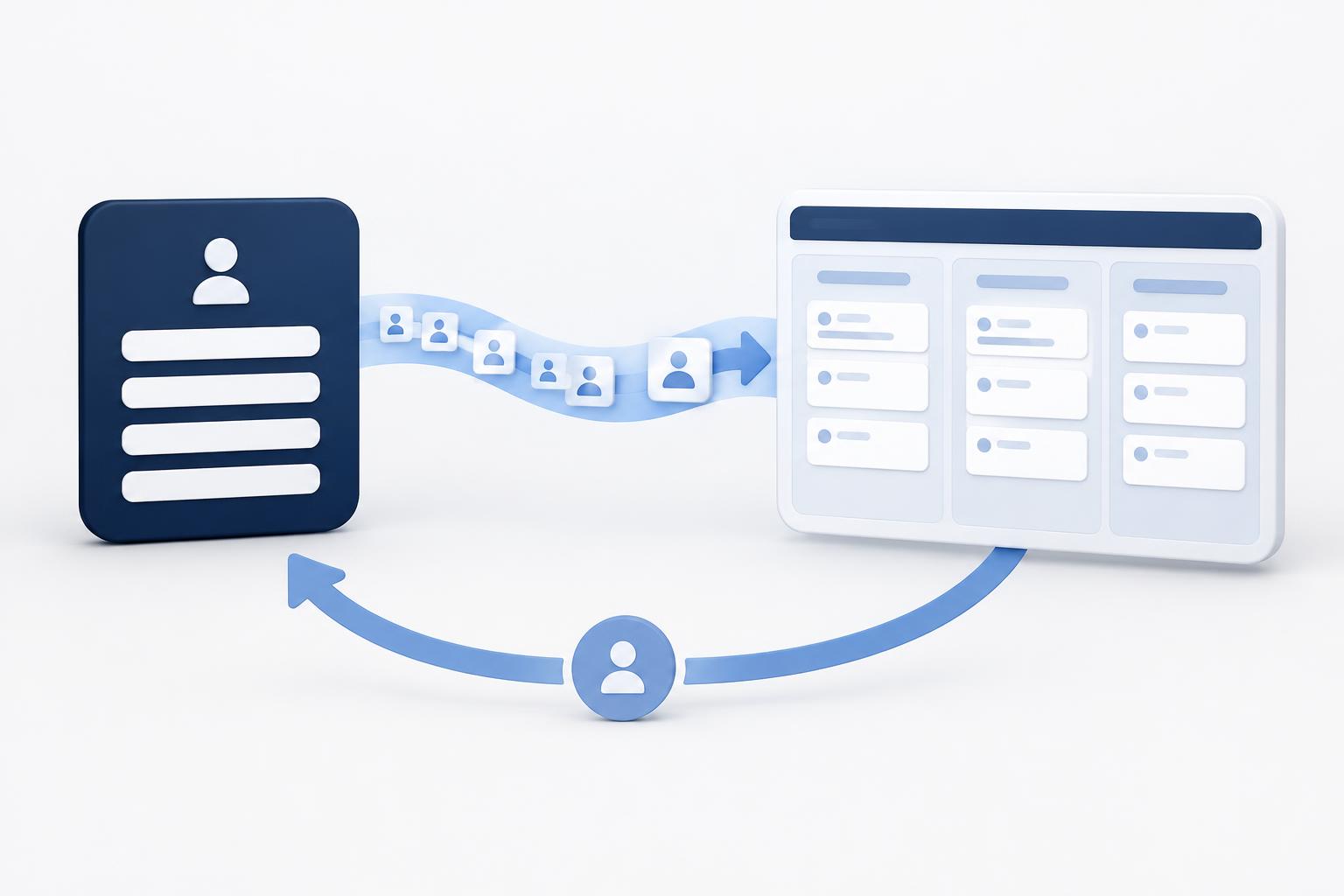 Lead Generation
How to automate Meta leads into your CRM and send quality signals back
November 13, 2026
Automate Meta Instant Form leads into your CRM, preserve lead IDs, and send qualified stages back through Conversions API for CRM. Includes messaging leads and launch checks.
Read More ASO
Top ASO Tools in 2026, Broken Down by What They Actually Do Well
April 28, 2026
In today's competitive app market, succeeding in the App Store and Google Play demands more than basic keyword stuffing.
Read More